What Allure Do Lighter Wines Hold For The Contemporary Connoisseur?

Lighter wines have gained remarkable popularity among contemporary connoisseurs, offering a refreshing alternative to their bolder counterparts. As you navigate your wine journey, you'll discover how these elegant options provide a unique tasting experience, emphasizing delicate flavors, versatility, and food pairings. With diverse selections from crisp whites to vibrant rosés, lighter wines can enhance your palate and elevate everyday enjoyment. Dive into the universe of lighter wines and uncover the allure they hold for discerning wine enthusiasts like you.
The Rise of Lighter Wines
Historical Context
Beside the early 20th century embrace of bold and robust wines, lighter wines have long held a significant yet understated place in the world of viticulture. The evolution of wine preferences can be traced back to regional variations where climate, soil conditions, and cultural practices shaped the characteristics of the local wines. For centuries, the Mediterranean regions showcased lighter-bodied wines, often appreciated for their refreshing qualities and food-pairing versatility, laying a foundation for modern-day preferences.
Furthermore, the mid-20th century saw significant shifts in global trends. The rise of the health-conscious movement prompted consumers to seek wines that were lower in alcohol and calories. This shift was not just about taste; it was an acknowledgment of lifestyle choices that favored moderation without sacrificing enjoyment. As winemakers responded to these changing tastes, the stage was set for lighter wines to make a noteworthy comeback.
Current Trends in Wine Preferences
Along with the modern lifestyle emphasizing balance and well-being, there's been a gradual shift in consumer preferences towards lighter wines that are not only easier to drink but also more enjoyable with diverse cuisines. You may have noticed this trend reflected in restaurant wine lists and retail offerings, where bright, crisp whites and elegant reds are becoming the staples. Natural wines and those produced using organic methods also fall into this category and have gained popularity, appealing to environmentally conscious drinkers.
Rise of social media platforms has also played a pivotal role in promoting lighter wines. You may find influencers and sommeliers showcasing these wines, emphasizing their adaptability for casual gatherings, picnics, or sophisticated dinners. Engaging visuals and compelling storytelling surrounding lighter wines resonate well with your interests, drawing attention to their unique flavors and food compatibility, making them an appealing choice for the contemporary connoisseur.
Flavor Profiles and Characteristics
Freshness and Acidity
Profiles of lighter wines often exhibit a vibrant freshness that can make them incredibly appealing to your palate. The hallmark of these wines is their bright acidity, which serves to enhance their overall liveliness. When tasting a lighter wine, you may notice that this acidity not only balances the fruit flavors but also creates a refreshing sensation that lingers on your tongue. Whether it's a zesty Sauvignon Blanc or a delicate Pinot Grigio, these wines invite you to return for another sip, making them perfect companions for warm weather or light meals.
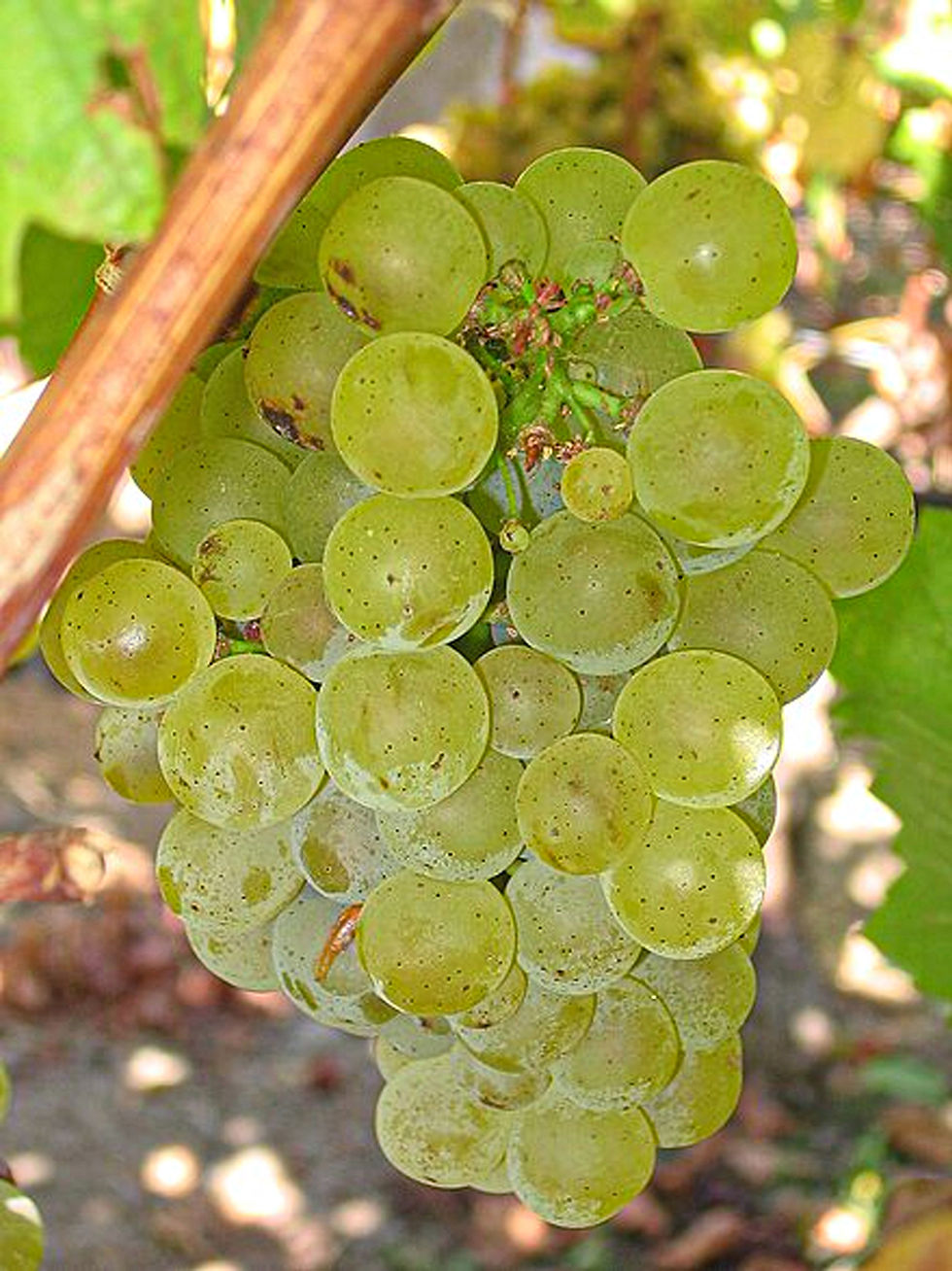
Furthermore, the subtle interplay between freshness and acidity in lighter wines often encourages exploration of the underlying fruit characteristics. You might find that these wines showcase notes ranging from crisp green apples to fragrant citrus, each sip revealing more layers of flavor. By choosing lighter wines, you allow yourself the opportunity to savor a lively tasting experience, one that invigorates your senses and enhances your enjoyment of food pairings.
Aromatics and Complexity
The allure of lighter wines often lies in their aromatic profiles, which can be surprisingly complex despite their light body. Floral notes, hints of herbs, and refreshing fruit characteristics converge to create a captivating bouquet that invites you to investigate deeper into each glass. This aromatic complexity not only makes the experience enjoyable but also heightens your awareness of the intricate terroir from which the wine originates. As you explore different varietals and regions, you'll uncover unique scents that define each bottle.
Consequently, engaging with the aromatics of lighter wines can elevate your overall tasting experience. You may find that certain styles evoke memories or feelings, enhancing your enjoyment and appreciation for the wine. By paying attention to these aromas, you enrich your understanding of what lighter wines have to offer, transforming each tasting into a delightful exploration of flavor and fragrance.
Food Pairing Possibilities
Some wine enthusiasts find joy in the versatility of lighter wines when it comes to food pairing. Their delicate flavors and refreshing acidity allow them to complement a wide array of dishes, making them suitable for various culinary experiences. Whether you’re enjoying a light seafood dish, a fresh salad, or even a pasta primavera, a glass of Sauvignon Blanc or a Pinot Grigio can elevate your meal with their bright notes and crisp finishes. The appeal lies in their ability to enhance, rather than overpower, the natural flavors of your food, encouraging a harmonious dining experience.
Versatility with Culinary Options
With lighter wines, you can explore a multitude of culinary options that span different cuisines and styles. Pair them effortlessly with grilled vegetables, fish tacos, or even spicy Asian fare, where the wine's acidity and subtle fruitiness can balance out bold flavors and heat. This inherent adaptability allows you to experiment with various dishes, making it easier to create meals that are both diverse and satisfying. Not to mention, lighter wines often serve as a refreshing palate cleanser, ensuring you can enjoy each bite anew.
Regional Pairing Insights
Across different regions, lighter wines are often crafted to reflect the local culinary landscape, providing you with distinct pairings that resonate with traditional dishes. For example, a dry Riesling from Germany may be the perfect companion to spicy Thai curries, while an Italian Vermentino shines with Mediterranean seafood. Understanding these regional connections not only enhances your dining experience but also opens the door to discovering the unique cultures and histories behind each glass.
It’s fascinating how wine and food are deeply intertwined, with lighter wines often mirroring the flavor profiles found in their respective regions. This relationship can guide your choices, allowing you to appreciate not just the beverage, but the heritage behind it. By considering local cuisine when selecting your wine, you can create a more authentic and enjoyable dining experience, letting each sip and bite tell a story that celebrates the essence of culinary traditions.

Lighter Wines and Health Consciousness
For the contemporary connoisseur, the allure of lighter wines often aligns seamlessly with a growing focus on health and wellness. As you navigate through options on wine lists, lighter wines provide not only a refreshing choice but also a more mindful one that appeals to your health-conscious inclinations.
Lower Alcohol Content
One of the primary reasons you might gravitate toward lighter wines is their lower alcohol content, typically hovering around 9-12% ABV compared to their fuller-bodied counterparts. This reduced alcohol level allows you to savor the flavor profiles and intricacies without the overwhelming sensation often associated with high-alcohol wines. With lighter wines, you can enjoy a more relaxed drinking experience that may encourage moderation, making it easier for you to enjoy multiple glasses while still being mindful of your intake.
Caloric Considerations
Above all else, caloric content is another significant factor that plays into the decision-making process when selecting lighter wines. On average, lighter wines contain fewer calories, which can help you maintain a balanced diet without feeling deprived. By choosing these wines, you can indulge in your passion for wine while also keeping an eye on your caloric intake, allowing you to savor every sip without compromising your health goals.
Lower calories in lighter wines often come from both the reduced alcohol content and the typically fruitier styles that require less residual sugar. When you opt for a lighter wine, you benefit from a drink that allows for enjoyment without the high caloric guilt that comes with heavier, fuller-bodied varieties. You can make choices that both satisfy your palate and align with your dietary preferences, offering a guilt-free pleasure as you savor each glass.
Notable Lighter Wine Varieties
Popular White Wine Choices
All light white wines have become increasingly favored by your peers who appreciate the allure of crisp, refreshing flavors. Varietals such as Sauvignon Blanc, Pinot Grigio, and Vinho Verde offer distinctive profiles that appeal to a broad range of palates. You might find that Sauvignon Blanc's zesty acidity and refreshing notes of citrus, green apple, and grassiness invigorate your senses, making it an ideal choice for warm-weather sipping or pairing with light dishes.
Conversely, Pinot Grigio’s more nuanced flavors of pear and melon can deliver just the right touch of elegance to your dining experience, especially alongside seafood or light pastas. Finally, Vinho Verde, the Portuguese delight, is often slightly effervescent, providing an exciting twist that’s excellent for casual gatherings.
Emerging Red Wine Options
Behind the scenes, lighter red wines are gaining traction among contemporary connoisseurs in search of nuanced and approachable flavors. Varietals such as Gamay, Pinot Noir, and Zweigelt occupy this space, offering you the opportunity to indulge in the depth of red wine without overwhelming your palate. Gamay, particularly from the Beaujolais region, is known for its soft tannins and fruity notes, making it a versatile choice at social events or intimate dinners. Likewise, Pinot Noir's light body, marked by complex notes of cherry, raspberry, and earthiness, invites delightful pairings with diverse cuisines, from roasted vegetables to poultry.

White wine enthusiasts may be surprised to discover the burgeoning popularity of emerging red wine options that offer lighter alternatives to traditional, full-bodied varieties. The focus on minimal intervention winemaking and cooler climate regions has led to the creation of vibrant, fruit-forward reds that maintain lower alcohol content while preserving the richness that red wines are known for. For you, this means an increased variety of lighter reds that deliver both complexity and approachability, making it easier to enjoy a glass—or two—without feeling overwhelmed. As you explore this field, you'll likely find that these lighter red wines can seamlessly complement your lifestyle, from casual picnics to elegant dinners, enhancing your culinary adventures.
The Future of Lighter Wines
Despite the rich traditions that define wine culture, the future of lighter wines is full of promise and innovation. As environmental concerns and health consciousness rise, winemakers are experimenting with new techniques and grape varieties that yield lower alcohol and lighter-bodied wines. This shift is not merely a response to consumer demands; it represents an evolution within the wine industry that prioritizes sustainability and a harmonious balance with nature. Expect advancements in vineyard management and winemaking processes that further enhance the qualities of lighter wines, allowing them to compete on the global stage.
Industry Innovations
Around the world, innovative techniques are transforming the production of lighter wines. Grapes are being harvested at different ripeness levels to achieve the desired flavors while keeping alcohol content in check. Technologies like precision viticulture enable winemakers to identify optimal conditions for grape growing, thus producing lighter, more refreshing varietals. Additionally, extended research on fermentation methods, including the use of alternative yeasts, aims to highlight the nuanced flavors that characteristic of lighter wines. These pioneering practices ensure that the production of lighter wines meets contemporary standards for quality while satisfying the evolving palette of wine enthusiasts.
Consumer Acceptance and Growth
One aspect that has significantly influenced the future of lighter wines is growing consumer acceptance. The modern connoisseur not only seeks out lighter options for their appeal but also appreciates the variety and complexity they offer. As health trends favor moderation and lower-calorie options, lighter wines have emerged as a fitting choice for many wine lovers. You may find that restaurants and wine shops increasingly feature these wines, making them more accessible and mainstream. This shift in consumer behavior indicates a transformative understanding and appreciation of wine as something that can be both flavorful and mindful.
This acceptance signals a paradigm shift in the way you might approach wine choices in social settings and everyday dinners. With the demand for lighter wines on the rise, you can anticipate an impressive selection that caters to diverse preferences and occasions. As lighter wines continue to grow in popularity, you may even discover unexpected pairings that elevate your dining experience, proving that these wines have their own unique allure while complementing your culinary adventures.
Conclusion
Hence, the allure of lighter wines for the contemporary connoisseur lies in their versatility and approachability. As you explore the world of wine, you'll find that these selections offer a refreshing alternative to heavier varietals, making them suitable for a wider array of occasions. Their lower alcohol content often means you can enjoy a glass on a sunny afternoon without overwhelming your senses, allowing you to savor more subtle flavors and aromas. This adaptability not only enhances your experience but also encourages you to experiment with food pairings, leading to delightful culinary adventures.
Additionally, lighter wines often embody a sense of craftsmanship and care, appealing to your desire for quality and authenticity. Many winemakers are embracing sustainable practices, showcasing their commitment to the land and environment. By choosing lighter options, you can enjoy wines that speak to your values and preferences, offering an experience that goes beyond the mere act of drinking. As you continue to refine your palate and expand your collection, let lighter wines guide you in discovering new tastes and perspectives in the ever-evolving landscape of viniculture.
FAQ
Q: What are lighter wines, and how do they differ from heavier wines?
A: Lighter wines typically have lower alcohol content, higher acidity, and a more delicate flavor profile compared to heavier wines. These wines, often white or light-bodied reds, showcase bright fruit flavors and vibrant aromas, making them accessible and refreshing. In contrast, heavier wines tend to have higher alcohol levels, fuller bodies, and more pronounced tannins, leading to a richer and often more robust experience.
Q: Why are lighter wines gaining popularity among contemporary wine lovers?
A: The appeal of lighter wines among modern connoisseurs can be attributed to several factors, including changing consumer preferences towards healthier drinking options, increased interest in versatility, and food pairing compatibility. Lighter wines tend to be more refreshing and easier to drink, making them ideal for warm weather, casual gatherings, and a variety of culinary experiences.
Q: How do lighter wines pair with food?
A: Lighter wines are incredibly versatile when it comes to food pairings. Their crisp acidity and vivid flavors complement a wide array of dishes, including seafood, salads, grilled vegetables, and white meats. Additionally, their lower tannin levels allow them to pair well with dishes that might be overwhelmed by robust red wines, enhancing the overall dining experience without overshadowing the flavors of the food.
Q: Are there specific lighter wine varieties that are particularly recommended for beginners?
A: Yes, several lighter wine varieties are excellent choices for those new to wine. Some popular options include Pinot Grigio, Sauvignon Blanc, and Riesling for whites, as well as Pinot Noir and Gamay for reds. These wines are typically fruit-driven, easy to approach, and provide a pleasant introduction to the world of wine without overwhelming the palate.
Q: What should contemporary connoisseurs look for when selecting a lighter wine?
A: When choosing a lighter wine, connoisseurs should consider factors such as acidity, flavor profile, and sweetness level. Look for wines that express freshness and balance, with a focus on varietals from cooler climates that are known for producing vibrant, low-alcohol options. Checking reviews and ratings can also help in identifying high-quality brands that deliver a satisfying and enjoyable tasting experience.


Comments